

If you live in Orange, you’ve probably heard a bit of chatter about “what’s in the water” at one time or another. Sometimes it’s about taste after rain. Sometimes it’s about filters. And sometimes it’s the big one: fluoride.
Here’s the truth: fluoride is one of the simplest, most proven ways to reduce tooth decay across an entire community. It’s not trendy. It’s not mysterious. It’s basic prevention, and when it’s present at the right level, it quietly does its job day after day.
So let’s unpack what fluoride actually does, what Orange’s water quality means for your teeth, and how to make sure you (and your kids) are getting the protection you think you’re getting.
Is Orange’s tap water fluoridated?
Yes, Orange’s town water supply is fluoridated. Orange City Council has specifically noted that the Orange supply is fluoridated (in contrast to some nearby smaller supplies that historically were not).
That matters because the protection from fluoridated water isn’t theoretical. It’s practical: people who regularly drink fluoridated tap water tend to experience fewer cavities over time, especially children and teenagers whose teeth are still developing. NSW Health summarises it plainly: children in towns with water fluoridation have significantly less tooth decay than those without.
What does fluoride actually do to teeth?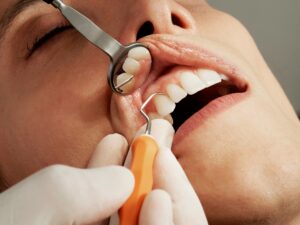
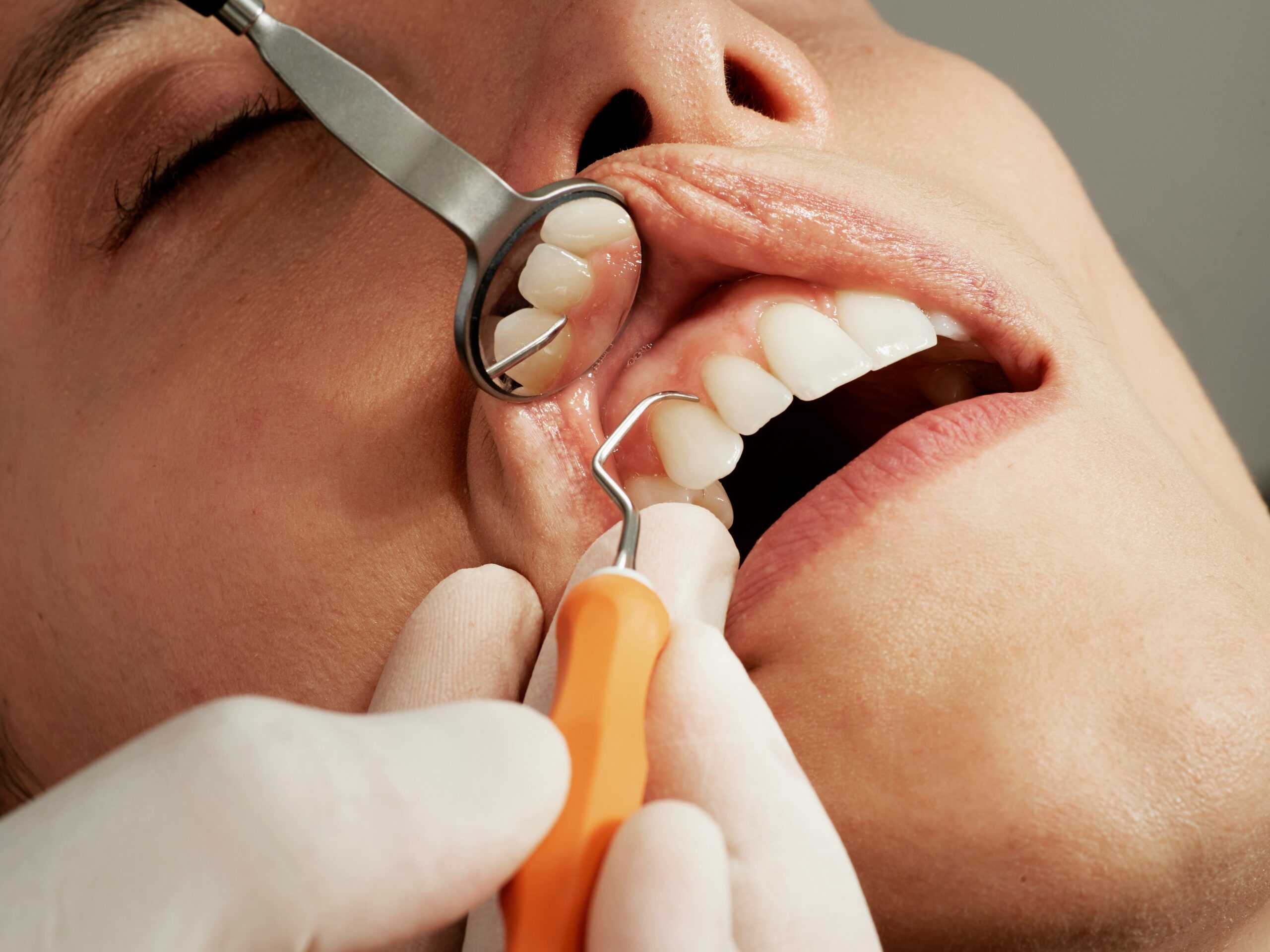
Tooth enamel is strong, but it isn’t invincible. Every day, the bacteria in dental plaque feed on sugars and produce acid. That acid pulls minerals out of the enamel surface, a process called demineralisation. If that continues often enough, you get a cavity.
Fluoride helps in two key ways:
- It strengthens enamel, making it more resistant to acid attack.
- It supports early repair, helping remineralise enamel before a full cavity forms.
NSW Health puts it in everyday terms: fluoride strengthens the enamel surface and can help repair early damage before cavities develop.
This is why fluoride is so effective as a public health tool: it doesn’t rely on perfect brushing, perfect diet, or perfect dental attendance. It helps “in the background” for everyone.
How much fluoride is meant to be in drinking water?
This is where a lot of confusion comes from, because people hear the word “fluoride” and assume it must be high, harsh, or uncontrolled.
In NSW, fluoridation targets a low, controlled level. NSW Health’s technical Q&A explains that in NSW fluoride is added at around 1.0 mg/L, aligned with National Health and Medical Research Council (NHMRC) recommendations, and it notes a recommended fluoridation range of 0.6–1.1 mg/L (with the Australian Drinking Water Guidelines allowing a maximum of 1.5 mg/L).
That’s the core point: we’re not talking about dumping fluoride in “whenever.” We’re talking about maintaining a tight range that’s designed to reduce decay while avoiding excess exposure.
If I brush with fluoride toothpaste, do I still need fluoride in water?
You’ll sometimes hear: “We’ve got fluoride toothpaste now, so why bother with fluoridated water?”
Because it’s not either/or, it’s additive.
Toothpaste is important, but it depends on:
- Brushing technique
- Frequency
- Supervision (for kids)
- Consistency, and access (some people simply don’t have stable routines or resources)
Community water fluoridation, on the other hand, provides low-level exposure across the whole day. NSW Health notes that fluoridation provides additional protection beyond toothpaste and helps regardless of access to dental treatments or socioeconomic background.
In real life, you get the strongest and most realistic approach through a combination of:
- Fluoridated water
- Fluoride toothpaste
- Sensible sugar habits
- And routine dental care
What does “water quality” have to do with your mouth?
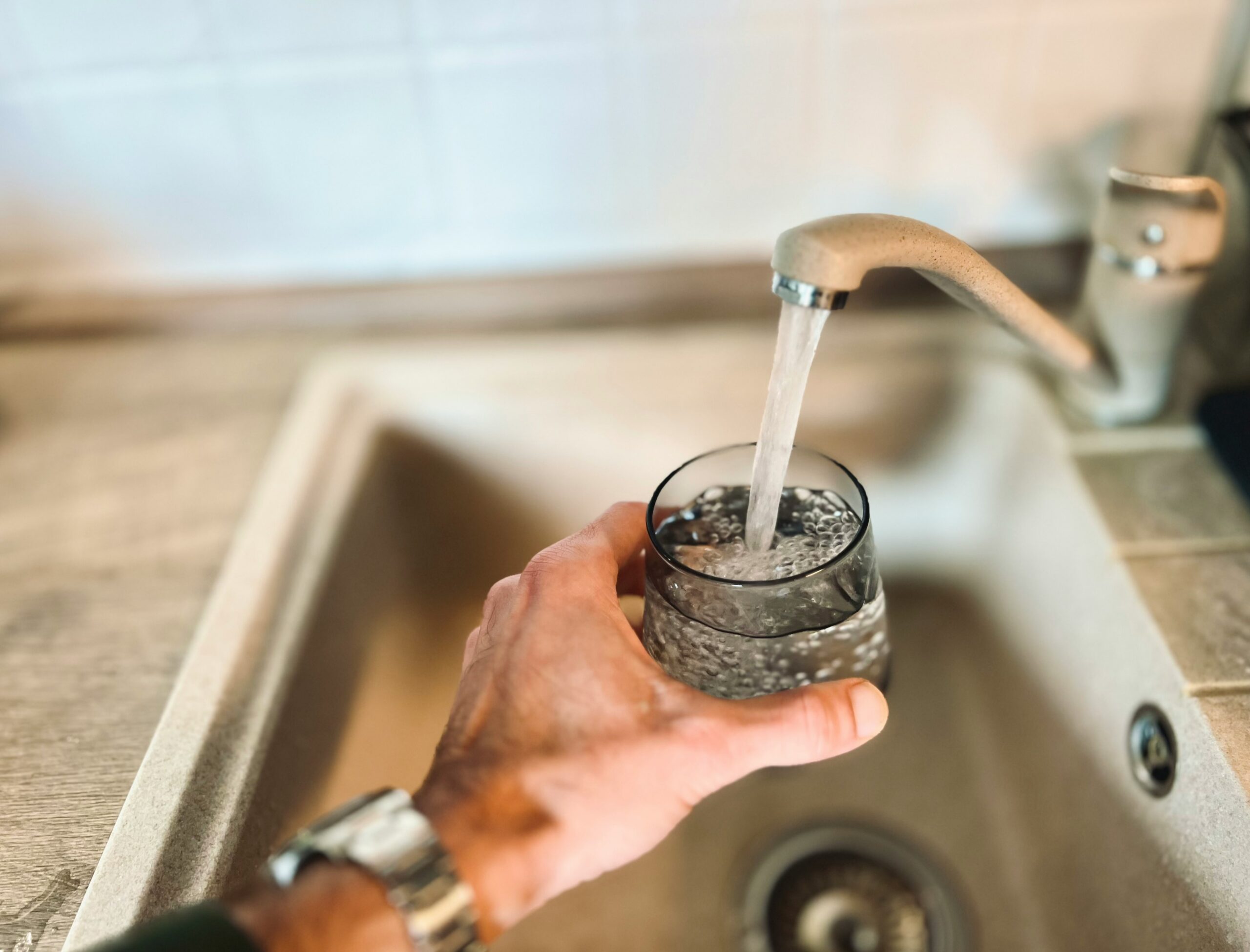
When we talk about water quality, we’re usually thinking about safety, treatment, and monitoring. But from a dental perspective, “water quality” also affects:
- How consistently you receive fluoride protection
- Whether you’re more likely to drink tap water or avoid it
- How often you rely on acidic bottled drinks instead (soft drinks, juice, sports drinks)
If someone doesn’t trust their tap water and switches to sugary or acidic drinks, dental risk climbs fast. So water quality isn’t just a “water” issue, it changes habits, and habits change teeth.
Orange City Council describes operating a high-end treatment system and ongoing monitoring for water quality concerns (including updated guideline values and routine testing).
You don’t need to memorise the technical details. The takeaway is simple: if your tap water is safe, clean, and palatable, you’re far more likely to drink it, and if it’s fluoridated, that’s a daily win for your enamel.
Is fluoride safe, or should I be worried?
In dentistry, we care about evidence, not internet noise.
NSW Health states that fluoridated drinking water is safe for children and adults, and it references the NHMRC’s review of the scientific research finding no health problems from drinking fluoridated water (with the benefit of preventing tooth decay).
NSW Health also explicitly supports fluoridation as safe and effective based on reliable evidence and ongoing NHMRC support.
Could you get too much fluoride? Yes, in theory, just like you can take too many vitamins. But in practice, Australian fluoridation is controlled, and water utilities monitor levels. The main risk of excess fluoride exposure in early childhood is dental fluorosis (faint white markings), and NSW Health notes noticeable fluorosis is very uncommon in Australia.
So the sensible answer is:
- Fluoride at recommended levels is safe and beneficial, and
- Like anything else in public health, it’s monitored and controlled.
What is dental fluorosis, and should parents panic about it?
Dental fluorosis happens when a child gets too much fluoride during the years the permanent teeth are forming (roughly birth to about age 8). In most cases, fluorosis is mild, faint white lines or cloudy patches that many people never notice.
If you’re a parent, the bigger practical risk isn’t fluorosis. It’s decay, because decay is pain, infection risk, sleep disruption, missed school, emergency visits, and expensive repairs.
If you want a balanced approach:
- Use the right amount of toothpaste for your child’s age (a smear for very young children, then a pea-sized amount when appropriate).
- Supervise brushing so kids don’t swallow toothpaste.
- Don’t “double up” with unnecessary fluoride supplements unless specifically advised.
And if you’re unsure, ask your dentist. This is exactly the kind of question we’d rather answer early than fix later.
Why do some people in Orange still get lots of cavities if the water is fluoridated?
Because fluoride reduces risk, it doesn’t cancel biology.
Cavities are still driven by:
- Frequent snacking
- Sugary drinks (including juice)
- Poor plaque control
- Dry mouth (medications, mouth breathing, sleep issues)
- Existing dental work that traps plaque
- IInconsistent dental care
Fluoride helps repair early damage and strengthens enamel, but if teeth are being acid-attacked all day, every day, fluoride is fighting an uphill battle.
Here’s the blunt version:
If you sip sweet drinks over hours, snack constantly, and brush once a day (or not at all), fluoridated water won’t “save” you. But it will reduce how fast things get bad, and for many people, that makes the difference between needing a simple filling versus a root canal.
What should you do if you drink mostly bottled or filtered water?
This is common, and it’s where Orange families can accidentally lose fluoride benefits.
A few points to consider:
If you drink mostly bottled water…
Many bottled waters contain little fluoride. Some contain some. Many don’t list it clearly. If your household mostly drinks bottled water, you may not be getting the fluoride exposure you assume you are.
If you use a home filter…
Most basic carbon filters improve taste and odour but don’t necessarily remove fluoride. Reverse osmosis systems can reduce fluoride significantly.
If you’re filtering for taste, that’s fine. But if your filtration system removes fluoride, you may want to compensate with:
- More rigorous fluoride toothpaste use
- Dentist-recommended topical fluoride
- Professional fluoride treatments if you’re high-risk for decay
This is not a reason to fear filters, it’s just a reason to understand what your system does.
How can you tell if fluoride is working for your family?

You don’t “feel” fluoride working. You see it in outcomes:
- Fewer new cavities over time
- Less sensitivity from early enamel breakdown
- Fewer chalky white demineralised spots appearing
- Stronger enamel resilience in kids
The easiest real-world marker is simply your check-up results. If you’re consistently getting decay, we look at your risk factors and adjust:
- Home care
- Diet habits
- Saliva factors
- Preventive treatments
That’s dentistry done properly: not guessing, not lecturing, just reducing risk with the right tools.
When should you book a dental visit, even if nothing hurts?
Pain is a late sign. If you wait for pain, you’ve usually waited too long.
Book a visit if:
- It’s been more than 6–12 months since your last check-up
- You (or your child) are getting cavities repeatedly
- You notice white spots, sensitivity, or bleeding gums
- You’re pregnant (oral bacteria shifts can be significant)
- You have dry mouth from medication
- You’ve switched to bottled/RO-filtered water and aren’t sure about fluoride exposure
Even a “quick check” can stop small problems from becoming expensive ones.
Ready to protect your smile with the basics done well?
Fluoride matters because it’s one of the most effective, low-effort defences against tooth decay, especially when it’s part of a bigger plan that includes good brushing, smart diet habits, and regular dental check-ups. In Orange, having a fluoridated water supply is a genuine advantage.
If you want a clear, personalised prevention plan (for you, your kids, or the whole household), book an appointment with Hitek Family Dental Care. They offer family, general and cosmetic dentistry in Orange, and their clinic is located at 82 Byng Street, Orange.
Call Hitek Family Dental Care or book online today, and get ahead of cavities before they get ahead of you.