
Snoring is often treated as a joke, an annoyance, or just one of those things people put up with. Sleep apnea, on the other hand, sounds serious, and it is, but many people still don’t connect it with their dentist.
That disconnect is a problem.
In Australia, snoring and obstructive sleep apnea (OSA) affect millions of adults. They damage sleep quality, strain relationships, and increase the risk of serious health conditions like high blood pressure, heart disease, stroke, and diabetes. Yet many sufferers go undiagnosed or assume their only option is a bulky CPAP machine.
This is where modern dentistry plays a much bigger role than most people realise.
At practices like Hitek Family Dental Care, dentists are increasingly involved in the assessment and management of snoring and mild to moderate sleep apnea, working alongside GPs and sleep physicians to deliver practical, effective solutions.
So let’s get straight to the question most patients ask.
What’s the Real Difference Between Snoring and Sleep Apnea?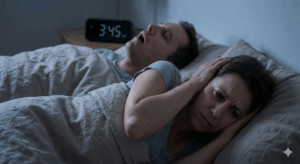

Snoring and sleep apnea are related, but they are not the same thing.
What causes snoring?
Snoring happens when airflow is partially blocked during sleep. As air moves past relaxed tissues in the throat, soft palate, or tongue, it causes vibration, and that vibration creates noise.
Common contributors include:
- Sleeping on your back
- Excess weight around the neck
- Alcohol before bed
- Nasal congestion
- Jaw position and airway shape
Snoring can be harmless, but it’s often a warning sign.
What is obstructive sleep apnea?
Obstructive sleep apnea occurs when the airway collapses or becomes completely blocked during sleep, causing breathing to stop repeatedly. These pauses can last 10 seconds or longer and may happen dozens of times per hour.
Each pause briefly wakes the brain, even if the person doesn’t remember it. The result is fragmented sleep, oxygen deprivation, and significant strain on the body.
Key symptoms include:
- Loud, chronic snoring
- Gasping or choking during sleep
- Excessive daytime fatigue
- Morning headaches
- Poor concentration
- Mood changes
OSA is a medical condition that requires proper diagnosis, but treatment doesn’t always start and end with a sleep clinic.
Why Would a Dentist Be Involved in Sleep Apnea Treatment?
Because the airway runs straight through the mouth and jaw.
Dentists are uniquely trained in:
- Jaw position and movement
- Oral anatomy
- Bite relationships
- Muscle function of the face and throat
These factors play a major role in how open, or restricted, the airway is during sleep.
Dental sleep medicine focuses on oral appliance therapy, a clinically proven treatment option for snoring and mild to moderate obstructive sleep apnea.
In Australia, dentists like those at Hitek Family Dental Care work in collaboration with GPs and sleep physicians to provide this therapy safely and effectively.
How Can a Dental Appliance Help With Snoring and Sleep Apnea?
A dental sleep appliance is not a mouthguard and not something bought online.
It is a custom-made oral device designed to:
- Gently reposition the lower jaw forward
- Prevent the tongue from collapsing backward
- Keep the airway open during sleep
This forward positioning reduces airway obstruction, minimises tissue vibration, and allows air to flow freely.
For many patients, the result is:
- Reduced or eliminated snoring
- Fewer apnea events
- Deeper, more restorative sleep
- Improved daytime energy and focus
And importantly, better long-term health outcomes.
Are Dental Sleep Appliances Really Effective?

Yes, when used properly on the right patients.
Clinical research shows that oral appliances are:
- Highly effective for primary snoring
- Effective for mild to moderate obstructive sleep apnea
- An accepted alternative for patients who cannot tolerate CPAP
Compliance is a major factor. Many patients simply cannot adjust to CPAP therapy. Masks can feel intrusive, noisy, uncomfortable, or claustrophobic. As a result, CPAP often ends up unused.
Dental appliances, by contrast:
- Are small and portable
- Silent
- Easy to travel with
- Comfortable once adjusted
- Non-invasive
Because patients are more likely to wear them consistently, outcomes are often better than expected.
Who Is a Good Candidate for Dental Sleep Therapy?
Unfortunately, dental sleep appliances are not right for everyone. Proper assessment is essential.
You may be a good candidate if:
- You snore loudly and regularly
- You’ve been diagnosed with mild or moderate OSA
- You cannot tolerate CPAP therapy
- You have adequate dental and jaw health
- You are motivated to wear the appliance nightly
You may not be suitable if:
- You have severe untreated sleep apnea (CPAP may be first-line)
- You have significant jaw joint issues without management
- You have insufficient teeth or advanced periodontal disease
This is why professional evaluation matters. A dentist trained in dental sleep medicine will assess your bite, jaw movement, airway, and oral health before recommending treatment.
Do You Still Need a Sleep Study?

Yes. Dentists do not diagnose sleep apnea, that diagnosis must come from a GP and sleep physician, typically via a sleep study.
However, dentists play a critical role after diagnosis by:
- Reviewing sleep study results
- Determining suitability for oral appliance therapy
- Designing and fitting a custom appliance
- Monitoring progress and comfort
- Coordinating follow-up sleep testing
This collaborative approach ensures treatment is safe, effective, and medically appropriate.
What Is the Process of Getting a Dental Sleep Appliance?
At a practice like Hitek Family Dental Care, the process typically involves:
1. Initial consultation
Your dentist reviews symptoms, medical history, sleep study results (if available), and examines your oral structures.
2. Suitability assessment
Jaw function, tooth health, bite alignment, and airway considerations are evaluated.
3. Custom appliance design
Digital scans or impressions are taken to create a precisely fitted appliance.
4. Fitting and adjustment
Once fabricated, the appliance is fitted and adjusted for comfort and effectiveness.
5. Ongoing monitoring
Follow-up visits ensure comfort, proper jaw positioning, and long-term success.
This is not a “set and forget” solution. Professional oversight is essential.
Can a Dentist Help Even If You Just Snore?
Absolutely. Many patients seek dental care for snoring long before sleep apnea is diagnosed. This can be a positive step.
Early intervention:
- Improves sleep quality
- Reduces relationship stress
- May prevent progression to sleep apnea
- Identifies airway risk factors early
Snoring should not be ignored, especially if it’s loud, chronic, or worsening.
What Happens If Sleep Apnea Is Left Untreated?
Untreated obstructive sleep apnea is linked to:
- High blood pressure
- Heart attack and stroke
- Type 2 diabetes
- Depression and anxiety
- Poor memory and concentration
- Workplace and driving accidents
It’s not just about feeling tired. It’s about long-term health and safety.
Addressing snoring and sleep apnea is one of the most impactful steps a patient can take for their overall wellbeing.
Why Choose a Dentist for Snoring and Sleep Apnea Management?
Because effective treatment often depends on comfort, compliance, and precision.
Dentists trained in sleep medicine understand:
- Jaw biomechanics
- Appliance design and adjustment
- Long-term oral health implications
- How to tailor treatment to the individual
At Hitek Family Dental Care, the focus is on personalized, evidence-based care that fits into a broader medical framework, not quick fixes or one-size-fits-all solutions.
Is Dental Sleep Therapy Covered by Health Funds?
In Australia, many private health funds provide rebates for oral appliances under extras cover, depending on your level of cover.
A dental team can help you:
- Understand item numbers
- Check eligibility
- Navigate claims where applicable
It’s worth asking, as coverage varies.
So, Can a Dentist Really Help With Snoring and Sleep Apnea?
Yes, when the right patients receive the right treatment.
Dentists are not replacing sleep physicians or CPAP therapy. They are expanding the treatment landscape with effective, patient-friendly options that improve outcomes and quality of life.
If you or your partner snore, feel constantly tired, or have been diagnosed with sleep apnea and struggled with CPAP, it may be time to look beyond traditional assumptions.
Take the Next Step Toward Better Sleep
Snoring and sleep apnea are not problems you should ignore or self-manage. If you’re ready to explore whether dental sleep therapy could help you sleep better, breathe easier, and feel healthier, the team at Hitek Family Dental Care is here to help.
Book your appointment with Hitek Family Dental Care today and take the first step toward quieter nights and better sleep, for you and the people around you.