
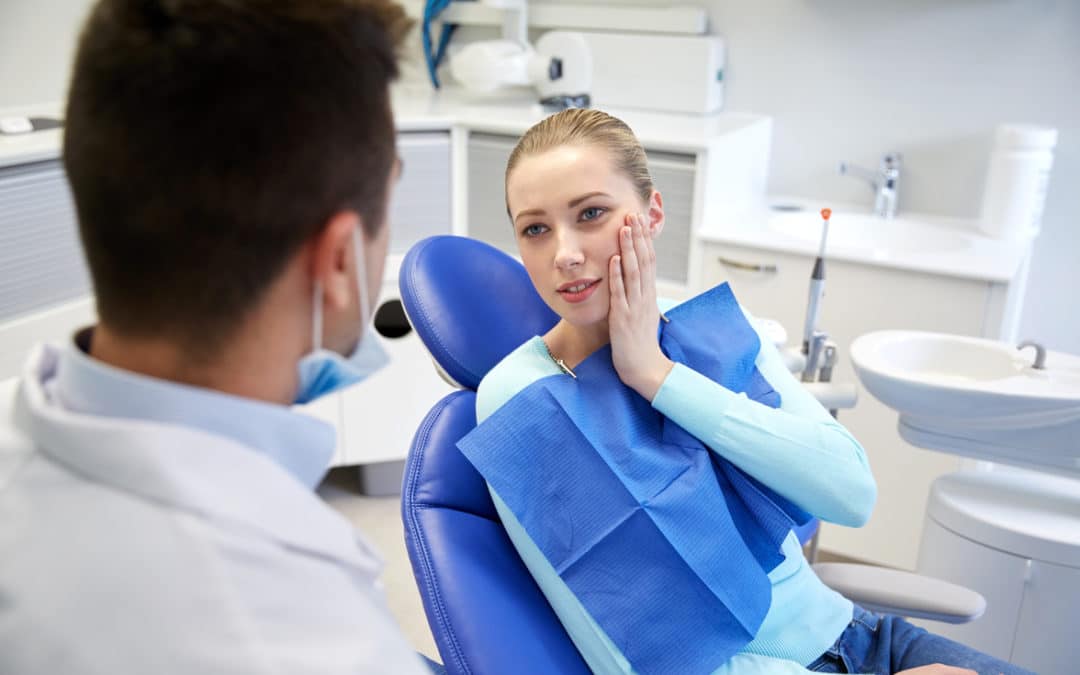
If you’re waking up with a sore jaw, headaches, or chipped teeth, there’s a good chance teeth grinding (bruxism) or a temporomandibular joint (TMJ) disorder is in the mix. It’s common, it’s treatable, and you don’t have to put up with it. In this guide, we’ll cut through the noise and explain what’s going on, how we diagnose it, and the treatment options available right here in Orange, NSW, so you can protect your teeth and get your jaw feeling normal again.
What exactly is teeth grinding (bruxism), and why does it happen?
Bruxism is the habit of clenching or grinding your teeth, often at night, but sometimes during the day too. It can be occasional and harmless, or it can be frequent and destructive. Over time, grinding can wear down enamel, crack teeth and fillings, strain jaw muscles, and inflame the TMJ (the hinge that connects your jaw to your skull).
Why it happens is rarely just one thing. Common drivers include:
- Stress and anxiety (clenching is a natural tension response).
- Sleep-related factors, including breathing disturbances.
- Bite or jaw alignment issues that make the jaw work harder to find a comfortable closing position.
- Certain medications or lifestyle factors, like caffeine and alcohol close to bedtime.
How are TMJ disorders connected to grinding?
Your TMJ takes the force of grinding. When the joint or surrounding muscles are overworked, you can end up with TMJ disorder (TMD), a catch-all for pain, stiffness, clicking, locking, or limited jaw movement. Grinding can cause TMD; TMD discomfort can also trigger more clenching. Left unchecked, the cycle continues and symptoms escalate.
What symptoms should you watch for?

If you’re dealing with any of these, it’s worth getting assessed:
- Morning jaw pain or tightness
- Headaches (often around the temples)
- Earache-like discomfort or pressure (without ear infection)
- Clicking, popping, or locking when opening or chewing
- Chipped, flattened, or sensitive teeth
- Indentations on the sides of the tongue or ridges inside the cheeks
- Disturbed sleep for you, or your partner hearing grinding sounds
You don’t need all the symptoms to have a problem. One or two is enough to justify a check-up.
Is stress, sleep, or your bite the real cause?
All of the above can matter. Here’s the simple way to think about it:
- Stress loads the system. The more stressed you are, the likelier you are to clench.
- Sleep quality sets the scene. Poor sleep or breathing issues push the body into micro-arousals that can trigger grinding episodes.
- Your bite dictates the mechanics. If teeth meet in a way that strains the jaw, you’re more likely to grind or clench to “stabilise” things.
A good TMJ treatment plan looks at all three, not just a mouthguard.
How do we diagnose TMJ and bruxism at Hitek Family Dental?
Diagnosis starts with a conversation and a comprehensive exam. Expect:
- History taking: symptoms, triggers, stress, sleep quality, medication, caffeine/alcohol habits.
- Jaw and muscle exam: palpation for tenderness, range of movement, clicks/pops, deviations when opening.
- Tooth wear and bite analysis: checking enamel wear, cracks, gum recession, and how your teeth come together.
- Imaging if needed: dental X-rays and, in select cases, 3D imaging to evaluate joint structures.
- Sleep risk screening: a few targeted questions to see if a sleep study referral makes sense.
The goal is straightforward: identify the biggest contributors so we can target them efficiently.
What at-home steps can you try right now?
These aren’t cure-alls, but they help, and they’re low effort:
- Heat for tight muscles: warm compress on the jaw muscles for 5–10 minutes.
- Jaw posture reset: lips together, teeth apart, tongue lightly on the roof of the mouth.
- Caffeine and alcohol timing: avoid both in the 6 hours before bed.
- Soft diet during flare-ups: think soups, pasta, soft proteins for a few days.
- Stress management: brief daily practices, breathing drills, a 10-minute walk, or a short guided relaxation, reduce the clench reflex.
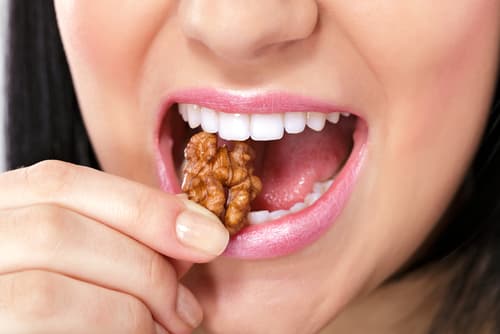
- Avoid chewing triggers: gum, hard nuts, ice, and chewy lollies when you’re symptomatic.
These steps reduce pain and protect your progress once formal TMJ treatment begins.
Which dental treatments actually protect your teeth?
Custom night guards (occlusal splints)
A custom-made splint is the workhorse for bruxism. It doesn’t “cure” grinding. It absorbs the force, stabilises the jaw, and protects enamel and restorations. Compared with store-bought guards, a professionally fitted splint:
- Fits accurately and comfortably (so you’ll actually wear it)
- Keeps the jaw in a therapeutic position
- Reduces tooth wear and morning muscle fatigue
- Lasts longer and is repairable or adjustable
We design splints to suit your bite, hard, soft, or dual-laminate materials, then review and fine-tune the fit after a few weeks.
Bite adjustment and restorative balancing
If your bite has high spots or a single tooth is taking too much force, minor selective adjustment (polishing microns of enamel) can level the load. Where prior wear has changed your bite or cracked teeth, restorative dentistry (onlays, crowns, bonding) may be part of rebuilding a stable, comfortable bite. We keep alterations minimal and strategic.
Can muscle relaxant injections (e.g., anti-wrinkle/Botox) help with clenching?
For some patients with overactive masseter or temporalis muscles, precisely dosed muscle relaxant injections can reduce jaw muscle overactivity and pain. These are not first-line for everyone, and they work best when paired with a splint and habit change. They can:
- Lower clenching intensity and frequency
- Ease headaches and facial muscle tenderness
- Soften the square jaw look caused by enlarged masseter muscles
They are not suitable for every case. We’ll assess benefits, risks, expected duration (typically 3–4 months), and whether this aligns with your goals. If we feel you’ll get better long-term results with conservative measures, we’ll say so.
When do you need orthodontics or more advanced bite correction?
If your bite is significantly misaligned or crowding prevents stable contacts, orthodontic treatment may be part of the solution. It’s not about chasing a “perfect” bite; it’s about reducing strain and giving the jaw an easy, repeatable closing path. In select cases with joint changes or severe wear, we may coordinate with specialists for comprehensive rehabilitation. This is deliberate, staged work, done only when conservative measures won’t cut it.
What role do physiotherapy and lifestyle changes play?

Jaw-savvy physiotherapy (with providers familiar with TMD) can speed recovery:
- Gentle stretching and mobility drills
- Trigger point release for masseter/temporalis muscles
- Posture and neck mobility work (neck and jaw tension are linked)
Lifestyle factors matter too:
- Sleep routine: set a consistent schedule, cool/dark room, screens off an hour before bed.
- Stress load: identify the real sources and cut what you can. Add one daily decompression habit.
- Daytime clench awareness: set phone reminders; when they ping, check, are your teeth together? If yes, reset posture: lips together, teeth apart, tongue on the palate.
Layering these with dental treatment gives you the best shot at lasting relief.
Could sleep apnoea be part of the problem?
Yes. There’s a known association between sleep-disordered breathing and nocturnal bruxism. If you snore, wake unrefreshed, or your partner notices pauses in breathing, we’ll flag this and, if indicated, suggest a sleep physician assessment. Treating underlying apnoea or airway issues can reduce grinding episodes and improve overall health.
What medications are sometimes used?
Medication is supportive, not primary:
- Short courses of anti-inflammatories for acute flare-ups (if appropriate for you).
- Topical agents (like heat creams) for muscle tenderness.
- Muscle relaxants in select short-term cases.
We’ll only suggest these where the benefit is clear and they fit your medical history. Long-term reliance is not the plan.
What does treatment cost, and can your health fund help?
Costs vary with complexity, simple bruxism with a custom night guard sits at one level; cases needing restorations, physiotherapy, or orthodontics are different. Many private health funds offer rebates for splints and dentistry, depending on your level of cover. We’ll give you transparent item codes and estimates up front so you can check your benefits before proceeding. No surprises.
How long does it take to feel better?
If your main issue is muscle overuse, you may notice improvement within 1–2 weeks of consistent splint wear and habit changes. If there’s significant joint inflammation, sleep issues, or bite complexity, expect a staged plan over a few months. The goal is stable comfort and protection of your teeth, not a quick fix that fades.
Why should you choose Hitek Family Dental in Orange?
You want a TMJ treatment plan that’s practical, evidence-guided, and tailored to your life. At Hitek Family Dental, we focus on:
- Clear diagnosis: we identify your biggest drivers so treatment is targeted.
- Conservative first: splints, bite fine-tuning, physiotherapy coordination, and habit coaching.
- Smart escalation: advanced options like muscle relaxant therapy or orthodontic referral when they make genuine sense.
- Continuity: we review, adjust, and protect your long-term results, not just tick a box.
We’re local to Orange and serve families across the Central West. You’ll get straight answers and a plan you can stick to.
What does a typical treatment plan look like?
Every plan is customised, but a common roadmap looks like this:
- Assessment and records: history, exam, bite analysis, necessary imaging.
- Immediate relief: at-home measures, soft diet during flare, short-term analgesia if appropriate.
- Protection: fabrication and fitting of a custom night guard; review and adjustment after 2–3 weeks.
- Load management: bite fine-tuning if high spots are found; address cracked or worn teeth strategically.
- Supportive care: referral to physiotherapy if muscle or neck involvement is significant.
- Escalation if needed: discuss muscle relaxant injections, orthodontics, or sleep assessments when indicated.
- Review and maintenance: periodic checks to ensure symptoms are controlled and teeth are protected.
No gimmicks, just a systematic approach that works.
What happens if you ignore grinding and TMJ pain?
Real talk: it usually gets worse. You risk:
- Cumulative enamel wear and eventual tooth sensitivity or fractures
- Cracks around old fillings and the need for more complex restorations
- Chronic headaches and facial pain that sap energy and focus
- Joint changes that are harder (and sometimes impossible) to fully reverse
Early intervention is cheaper, simpler, and more comfortable.
Do over-the-counter mouthguards help relieve TMJ?

They’re better than nothing in a pinch, but they’re not ideal long-term:
- Bulkier and less comfortable (so compliance drops)
- Can alter your bite unpredictably
- Usually wear out fast
If you’re grinding enough to notice symptoms, a custom splint is the safer investment.
What red flags signal the need for urgent attention?
Yes, book promptly if you notice:
- Jaw locking (can’t open or close fully)
- Severe, sudden bite changes
- Persistent unilateral swelling near the joint
- Tooth fracture or sharp pain when biting
These situations benefit from immediate assessment to prevent escalation.
How do you maintain results once you’re feeling better?
Think “protect and prevent”:
- Keep wearing your splint as prescribed.
- Maintain one daily de-clench habit (breath work, short walk, or micro-stretch routine).
- Stick to your sleep routine and avoid late caffeine/alcohol.
- Attend periodic reviews; we’ll adjust the splint and check for new wear or cracks.
What questions should you ask at your appointment?
Bring this shortlist and you’ll get more value from your visit:
- What’s the primary driver of my symptoms, muscle, joint, bite, sleep, or a mix?
- What does success look like in 4 weeks vs. 3 months?
- Do I need imaging now, or can we start conservatively?
- Would physiotherapy or a sleep assessment help me specifically?
- What’s the maintenance plan once I’m comfortable?
Ready to stop grinding and protect your smile?
You don’t have to live with jaw pain, headaches, or worn teeth. With a clear diagnosis and a targeted plan, most people feel markedly better within weeks, and protect their teeth for the long haul. If you’re in Orange or the Central West and suspect you might be living with TMJ issues, book a consultation with Hitek Family Dental. We’ll assess, explain, and get you on the most direct path to relief.
Call our team or book your appointment online today to schedule your TMJ and bruxism assessment. Your jaw, and your future smile, will thank you.